
The skin is the largest organ of our body. For this reason, you should pay special attention to it. Calluses are particularly bothersome and often lead to pain, preventing the skin from functioning 100% as intended. Here we explain what calluses actually are and how to gently get rid of them!
What are calluses?
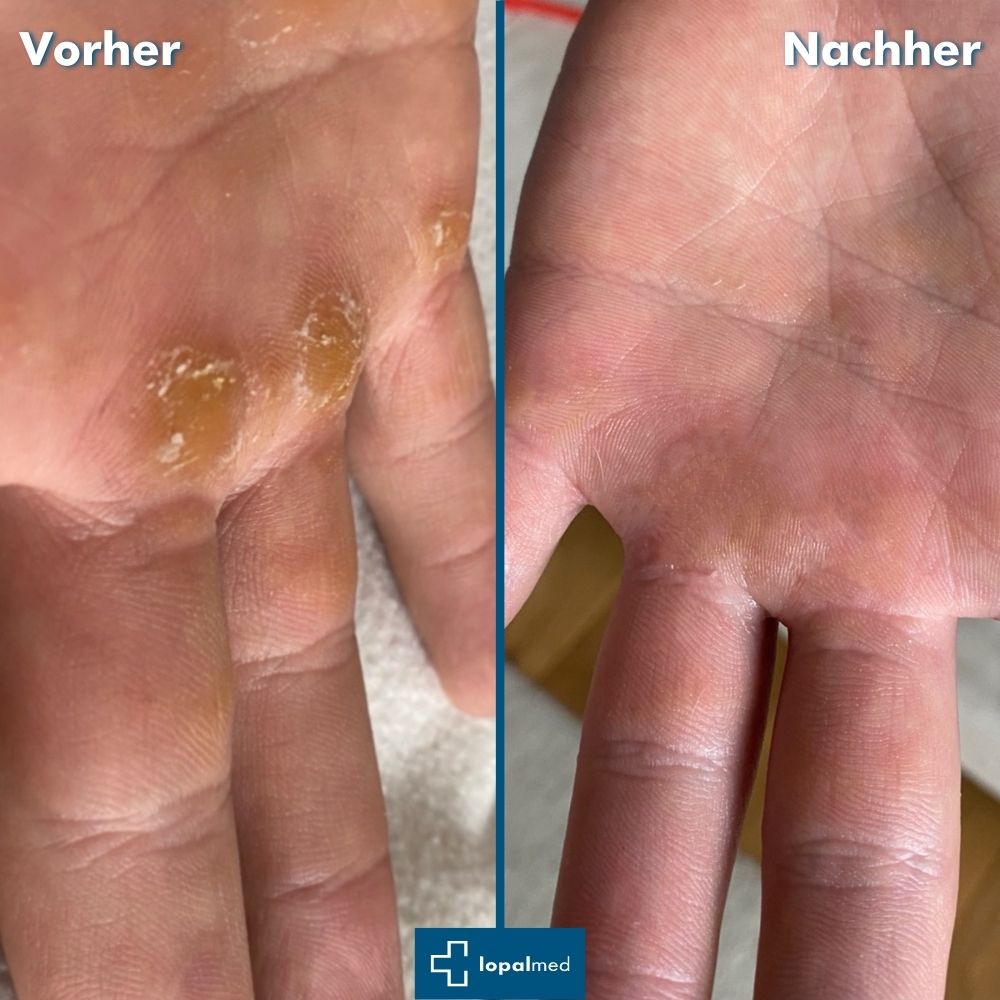
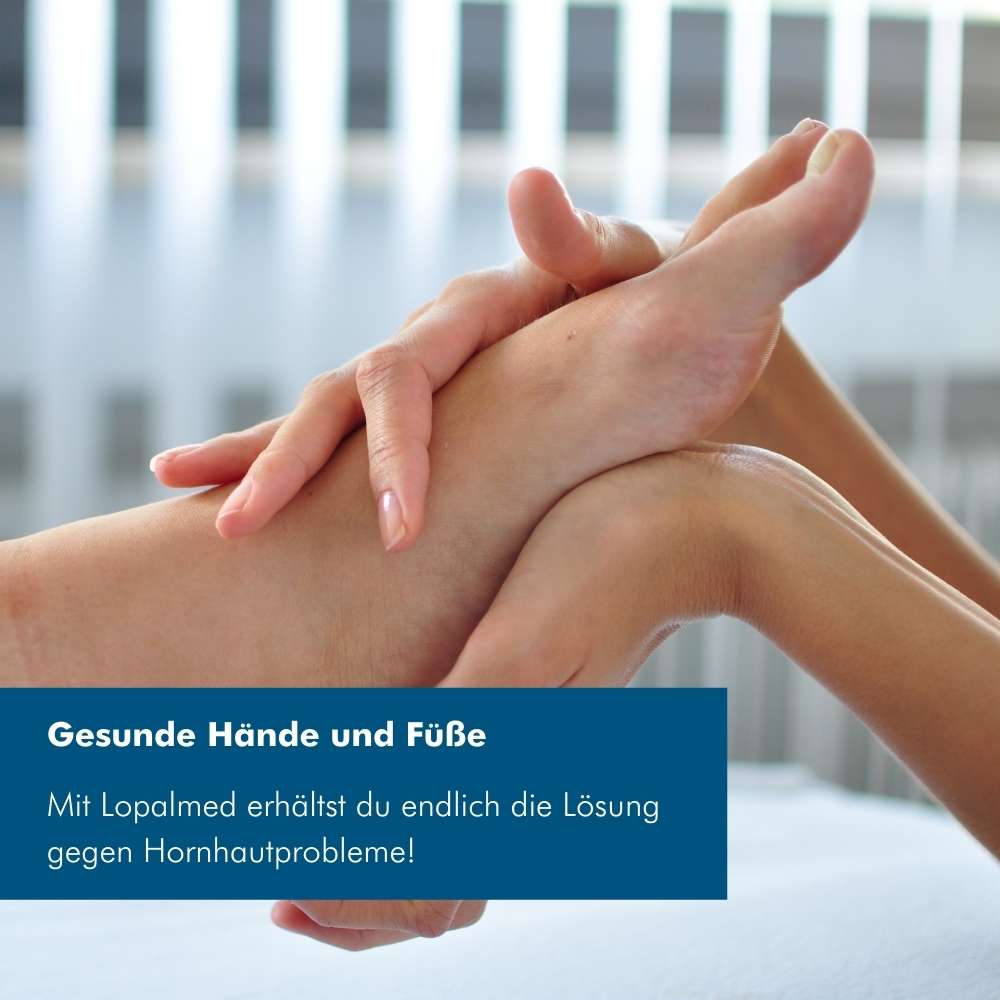
Calluses refer to thickened or dry skin areas on the feet or the palms of the hands. Heels and soles of the feet are particularly affected, especially due to frequent contact with the ground. Callused areas are characterized by their round shape and the partially crossing lines on their surface. Commonly affected areas include the top of the foot, the outer edges of the toes, the ball of the foot, and especially the back heel area (mainly due to high pressure from walking).
The formation of calluses is a natural protective reaction of our outer skin layer, the epidermis, to protect against pressure and friction. Generally, calluses do not cause significant pain. The hardened skin may only lead to slight burning. However, if the pressure is particularly high or prolonged, it can lead to cracks in the callus, resulting in additional pain. In general, calluses on the foot are more of an aesthetic problem, as the yellowish hardenings and calluses are not pleasant to look at. But whether calluses cause pain or are merely an aesthetic issue – they should be treated in any case. With simple treatment options and the right prevention and care, calluses can be quickly managed.
How do calluses form?
When our skin is subjected to strong pressure or friction, calluses form. Other factors that promote the formation of calluses include dry skin, improper footwear, or a damaged skin barrier. Shoes that do not fit can cause rubbing and further irritate the skin. In response to this stress, the skin reacts by forming calluses to protect the skin from further injuries. The skin barrier protects the body from bacteria, viruses, and moisture loss. When this barrier is damaged, the skin can lose moisture, which under certain circumstances leads to callus formation. Since we spend most of the day on our feet and our feet carry our entire body weight all the time, they are often subjected to pressure – which is why our feet are particularly affected by calluses. With age, the symptoms of dry skin can worsen. The older the skin gets, the harder it becomes to produce fat and retain moisture – hence calluses occur more frequently in older people. There are also gender-specific differences in the complaints – generally, women are more often affected by calluses than men. One reason for this is that various hormones, including sex hormones, can promote the formation of dry skin. Dry skin can also occur more frequently during menopause. Additionally, other foot problems, such as deformities or injuries, can exacerbate the formation of calluses, as the skin in these areas is additionally stressed and thus particularly susceptible.
How to remove calluses?
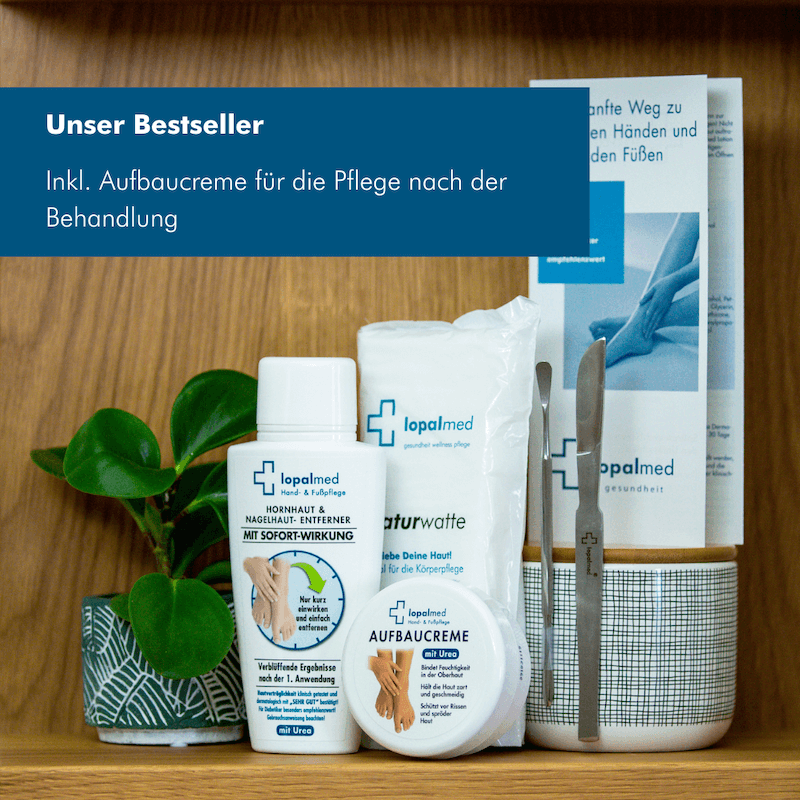
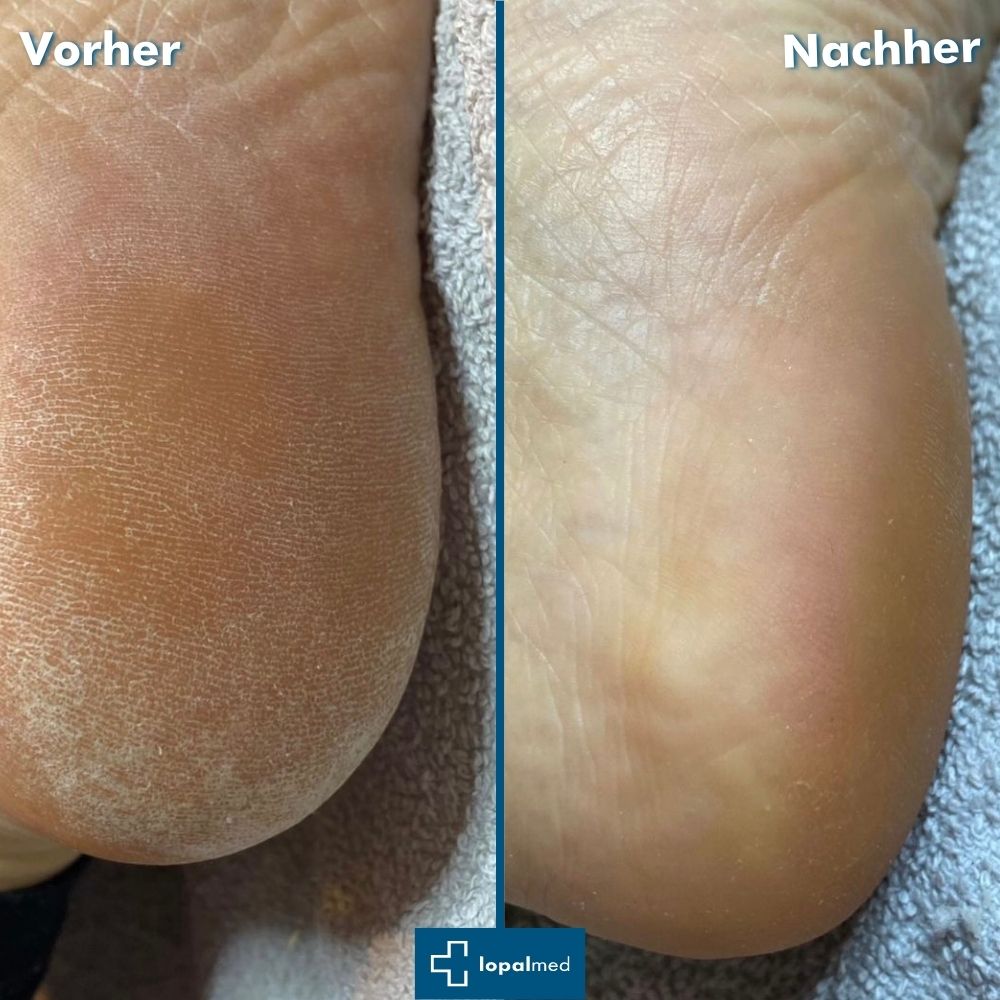
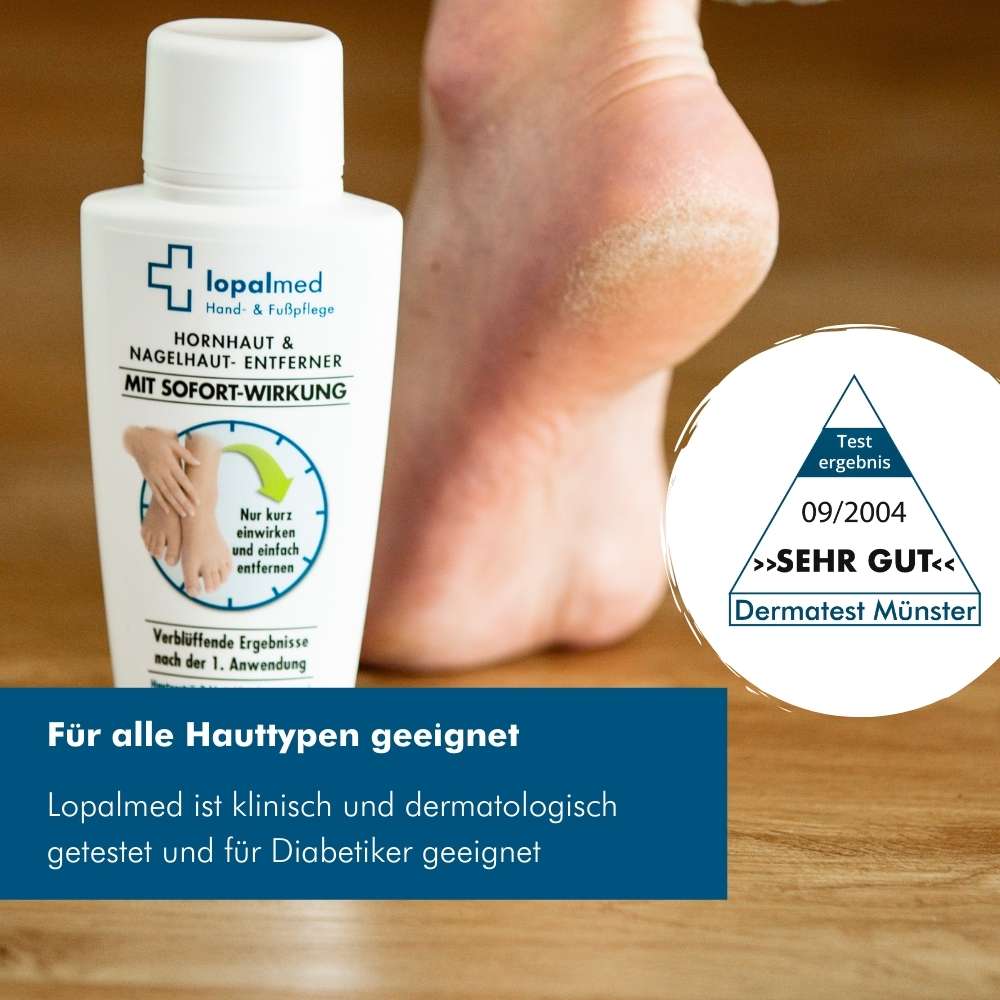
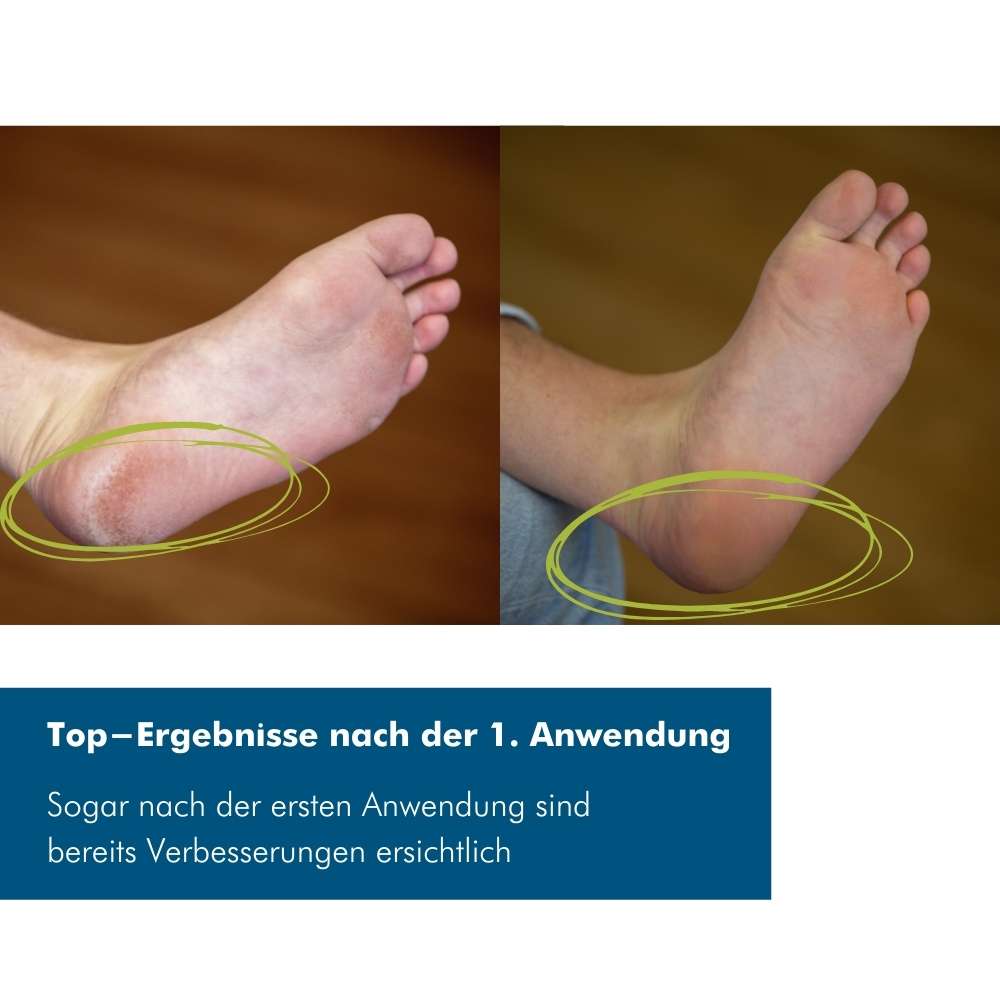
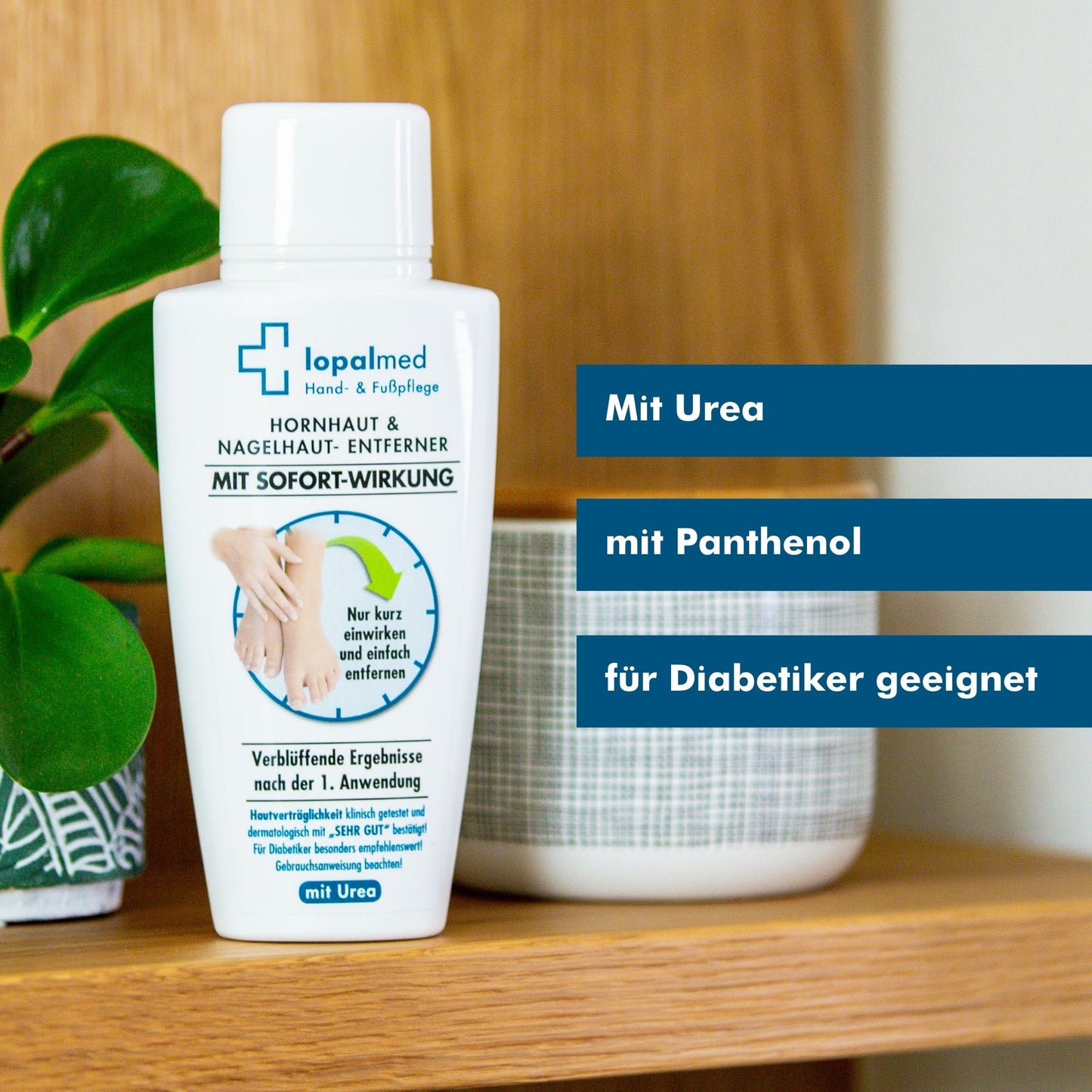
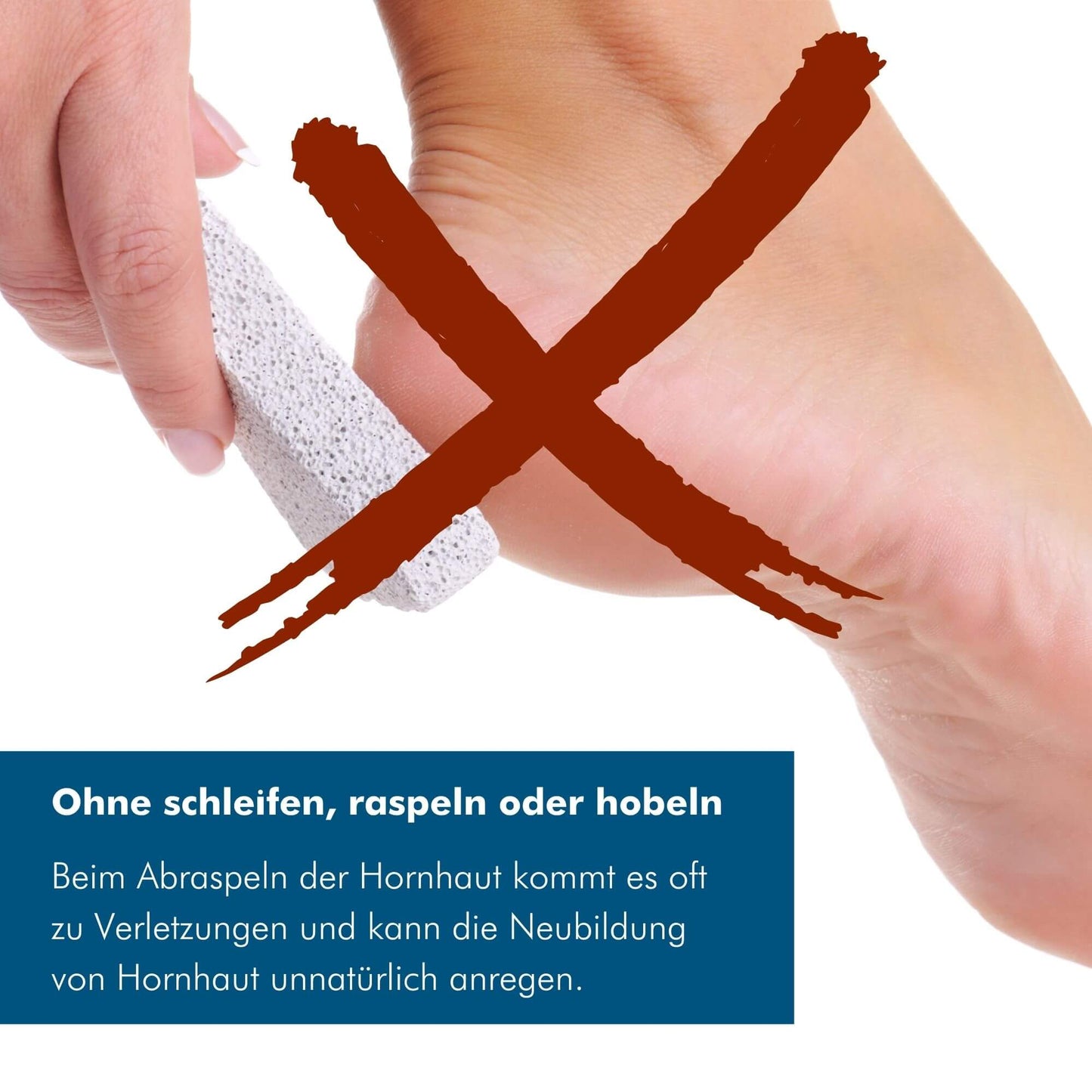
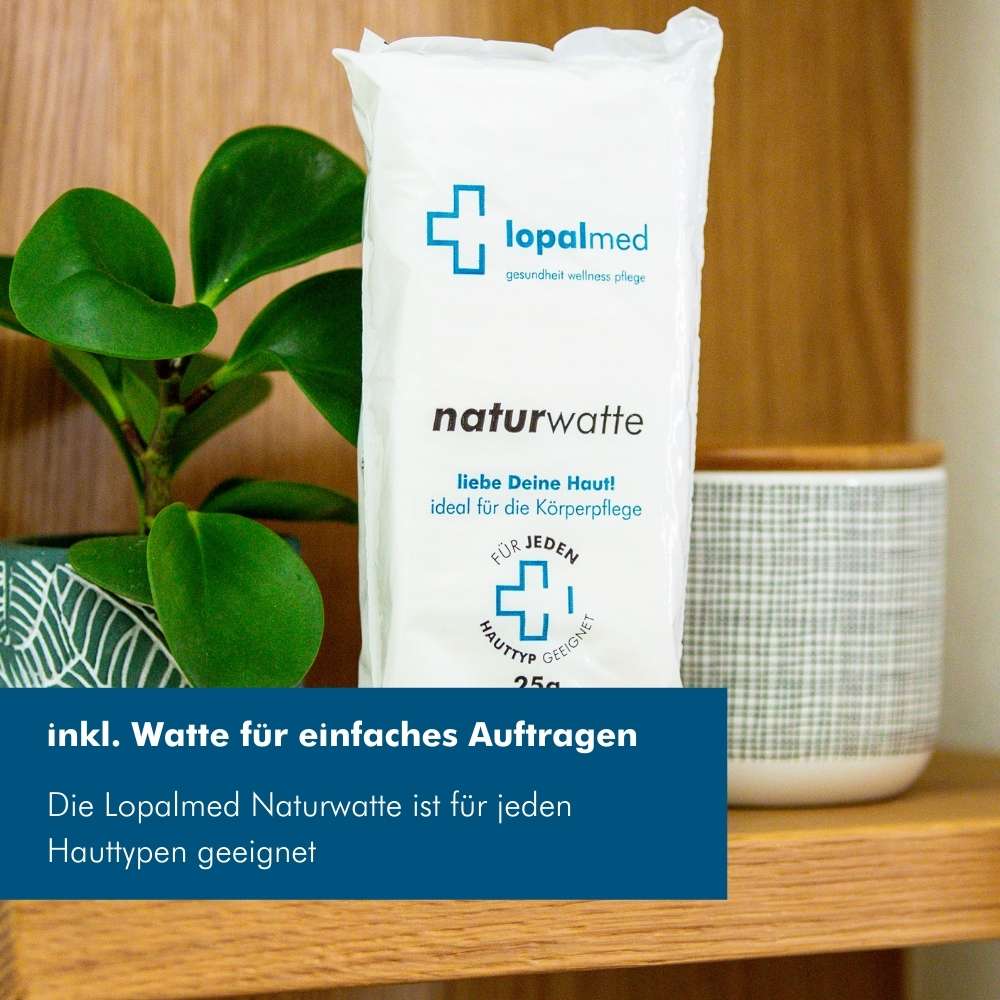
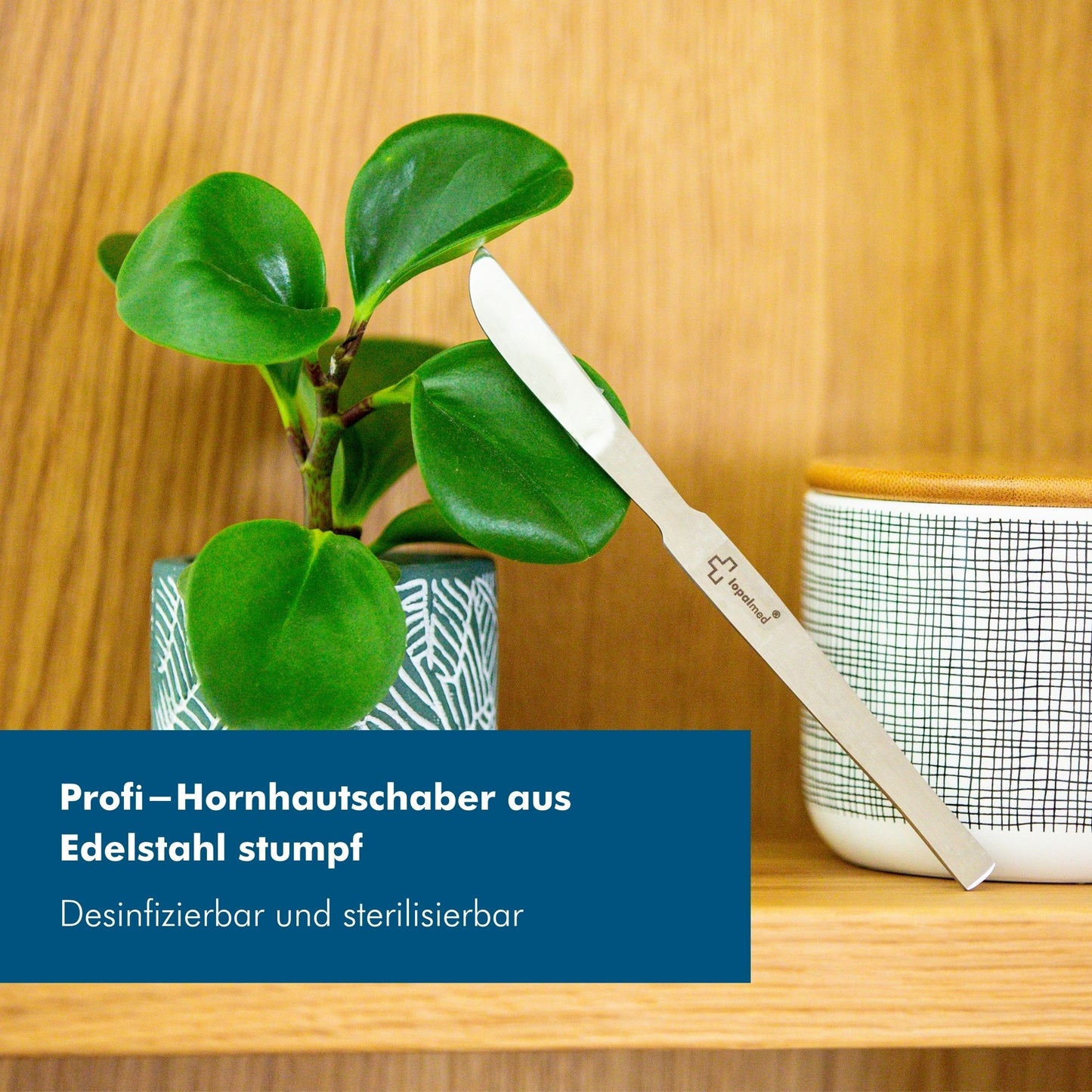
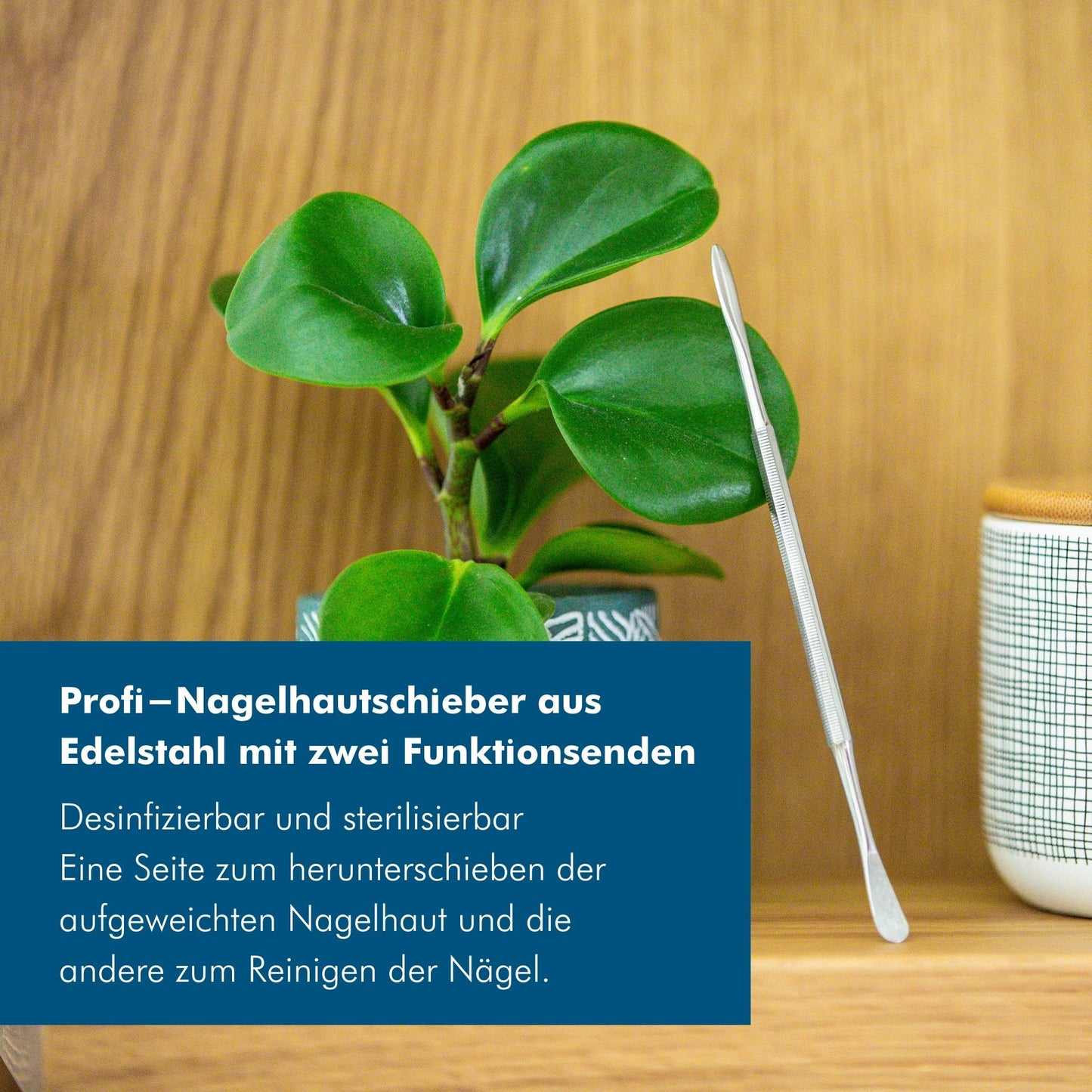
For immediate pain relief and protection of the soles of the feet, gentle products like Lopalmed callus and cuticle remover are suitable. This will give you silky soft and well-groomed feet. With this product, you can avoid abrasive surfaces (like pumice stones, files, or callus scrapers) that are often used for manual removal of calluses. However, this often leads to injuries or irritations of the healthy skin. In response to this irritation, the skin wants to protect itself and thus produces new calluses right away. After about 4-6 weeks, the same calluses that were just removed often reappear. The same goes for cuticles. Once you start cutting or pushing back cuticles, you tend to do it repeatedly. Once someone cuts, they usually continue to cut!
Another measure for treating and removing calluses is the following foot care routine for home: Soothing foot bath – Before you start the actual removal of the calluses, soak your feet in a foot bath for about 15 minutes. This not only softens the hardened skin areas but also provides nourishing moisture and soothing relaxation for your feet.
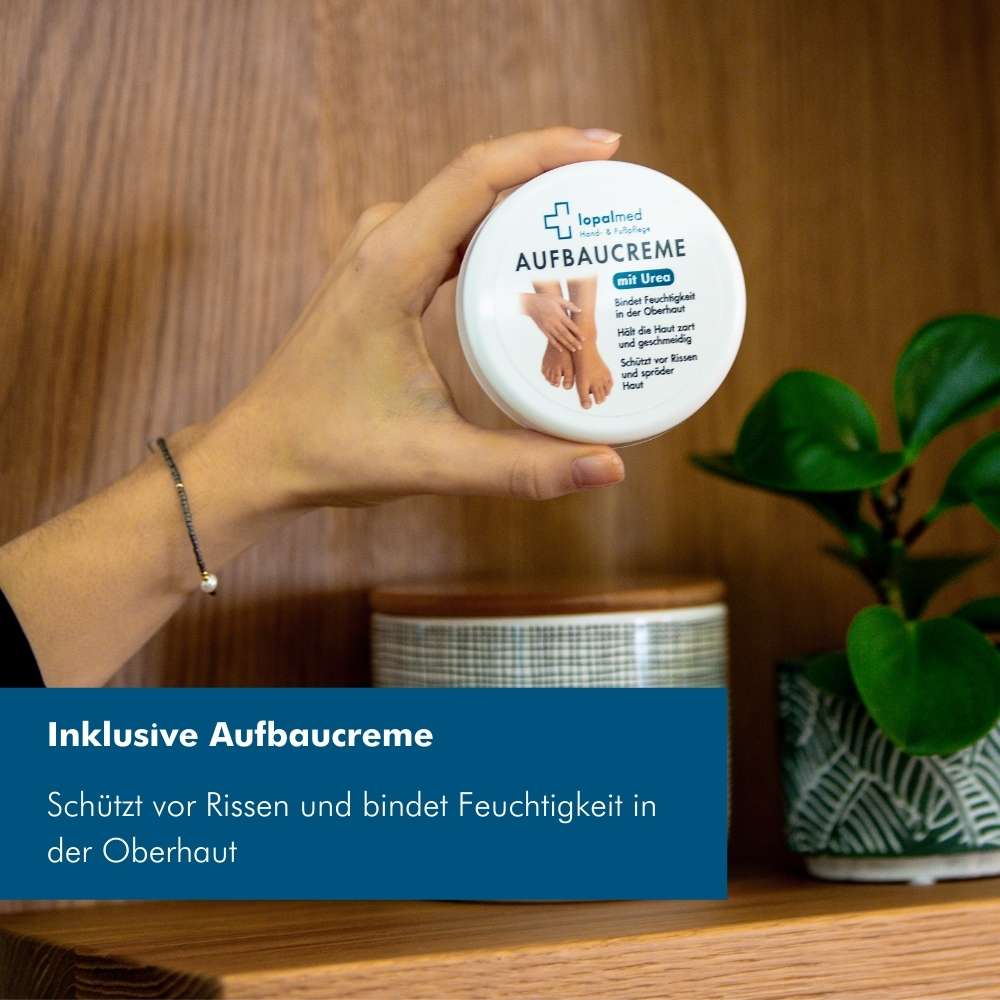
After you have removed the calluses, it is important to thoroughly care for the skin in a final step and provide it with moisture. Apply the Lopalmed repair cream to the treated areas. This contains special active ingredients that provide moisture to stressed feet and soften the feet. The cream thus protects your skin from drying out and the formation of cracks and calluses. Properly preventing calluses To prevent calluses in the long term, it is particularly important to not only intensively care for the feet when calluses occur but also to take preventive measures in advance. For this, you can, for example, repeat the care steps described above at regular intervals. A regular pedicure is also recommended. This not only relaxes your feet but also offers you the optimal opportunity to completely switch off for a short time and relax in peace. Besides that, you should always wear suitable shoes to prevent calluses, so that the pressure on your feet is reduced. It also helps to regularly and generously apply cream to your feet (e.g., with the callus-reducing cream - included in the Lopalmed Premium Box) to provide additional moisture. If you frequently suffer from calluses or particularly severe calluses on your feet, you should see a doctor or seek medical foot care.

What to do about calluses
Products based on urea are ideal for removing calluses on the feet. You will achieve wonderfully soft and professionally cared for feet with Lopalmed – all without scraping and causing injuries. Try it now!



9 comments
ich bin sehr begeistert ,das Produkt ist der Hammer .
Ich habe es bei meine Kundin ausprobiert ,sie war begeistert .
werde es wieder Kaufen und meine Kunden empfehlen .
Ich bin total begeistert von Lopamed. Ich habe das Produkt bisher einmal angewendet und der Unterschied ist sofort sichtbar gewesen. Nach jahrelanger „Odyssee“ durch alle möglichen Produkte, habe ich endlich wieder zarte Füße die ich zeigen kann.
Ich bin mit dem Produkt von Lopalmed sehr zufrieden. Die Qualität ist ausgezeichnet und entspricht genau der Beschreibung. Die Anwendung ist einfach und das Ergebnis hat meine Erwartungen sogar übertroffen. Die Lieferung war schnell und alles war sorgfältig verpackt. Ich würde dieses Produkt jederzeit wieder kaufen und kann es mit gutem Gewissen weiterempfehlen. Vielen Dank!
Habe es bei meinem Mann angewendet und es hat wirklich super funktioniert unter 2x je 10 Minuten. Ich muss sagen fantastisch, mein Mann ist auch sehr zufrieden. Mfg Elvira
Also ich muss sagen, dass dieses Produkt meinen Mann nach Jahrzehnten geholfen hat.
Seine Füße waren wirklich in einem sehr schlechtem Zustand. Massive Schrunden und extrem trockene Haut. Trotz täglichem Eincremen, Fußbädern und Hobeln würdest es immer schlimmer. Nach 5 Anwendung kann ich sagen, dass wir das Problem definitiv mit diesem Produkt komplett lösen können. Ich denke noch 3 bis 4 Anwendungen und er hat gesündere Füße als ich. Top Produkt 👍🏻!