 Skip to content

When should you remove calluses? A comprehensive guide
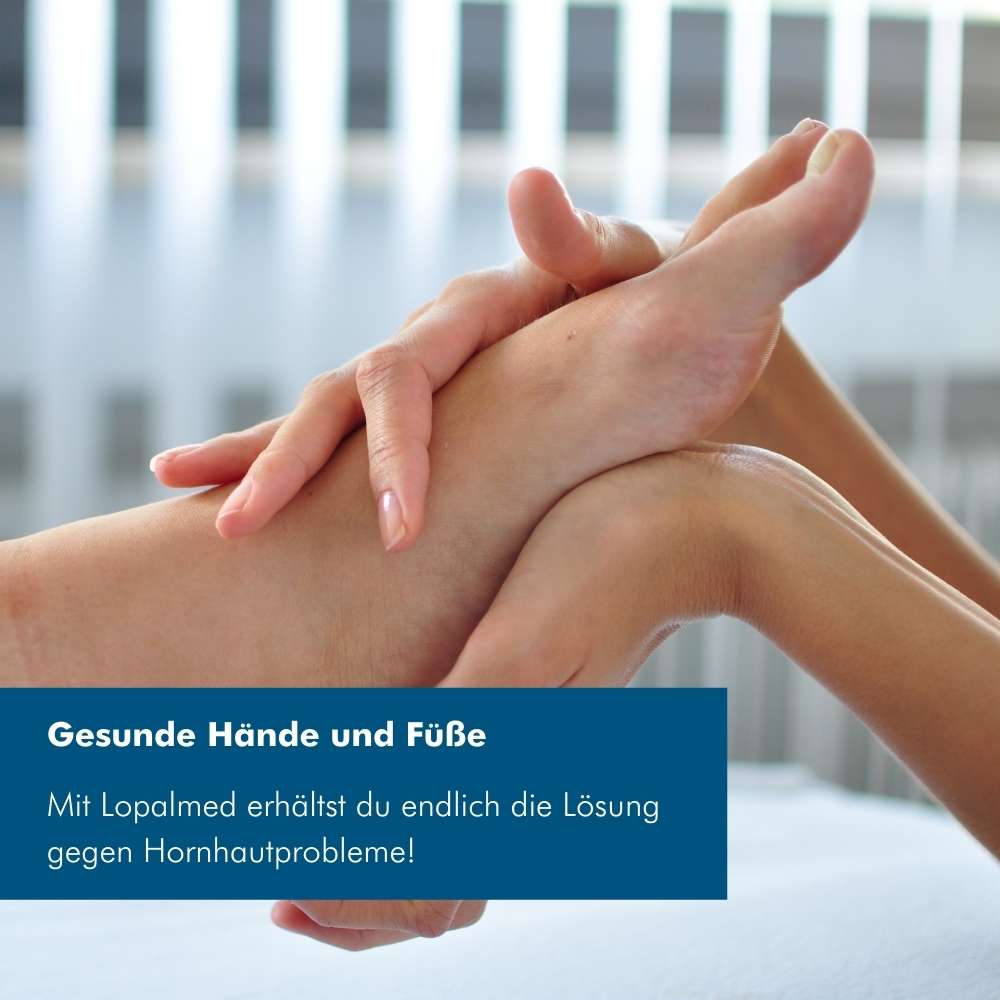
Ingo LieberumCallus is a thickened layer of dead skin cells that usually forms on hands, feet, or elbows. Although this thickened skin layer serves a protective function, it can be not only aesthetically bothersome but also lead to discomfort. But when should one actually remove callus, and which methods are sensible? In this blog post, we want to get to the bottom of this question.
Why does callus form?
Callus usually forms in areas that are heavily stressed or subjected to regular pressure. This is a natural reaction of the body to protect the underlying skin. Common causes include:
- Improper footwear: Tight or poorly fitting shoes can cause pressure points and thus callus.
- Frequent manual work: Professions or activities that require intensive handwork often lead to callus formation.
- Physical activity: Sports that exert high friction or pressure on certain skin areas promote callus formation.
When should one remove callus?
The decision of whether callus should be removed depends on various factors:
- Pain and discomfort: If the callus is painful or causes pressure points and blisters, it should be removed.
- Aesthetic reasons: Some people find callus unsightly and want to remove it for aesthetic reasons.
- Risk of cracks and infections: Thick callus can crack and thus become an entry point for bacteria and other pathogens.
- Restriction of mobility: In extreme cases, thick callus can restrict the mobility of fingers or toes.
How should one remove callus?

There are various methods for callus removal, each with its own advantages and disadvantages. However, not all methods are equally recommended:
- Pumice stone: A gentle approach that is particularly effective after a foot bath. The pumice stone removes dead skin cells through mechanical rubbing.
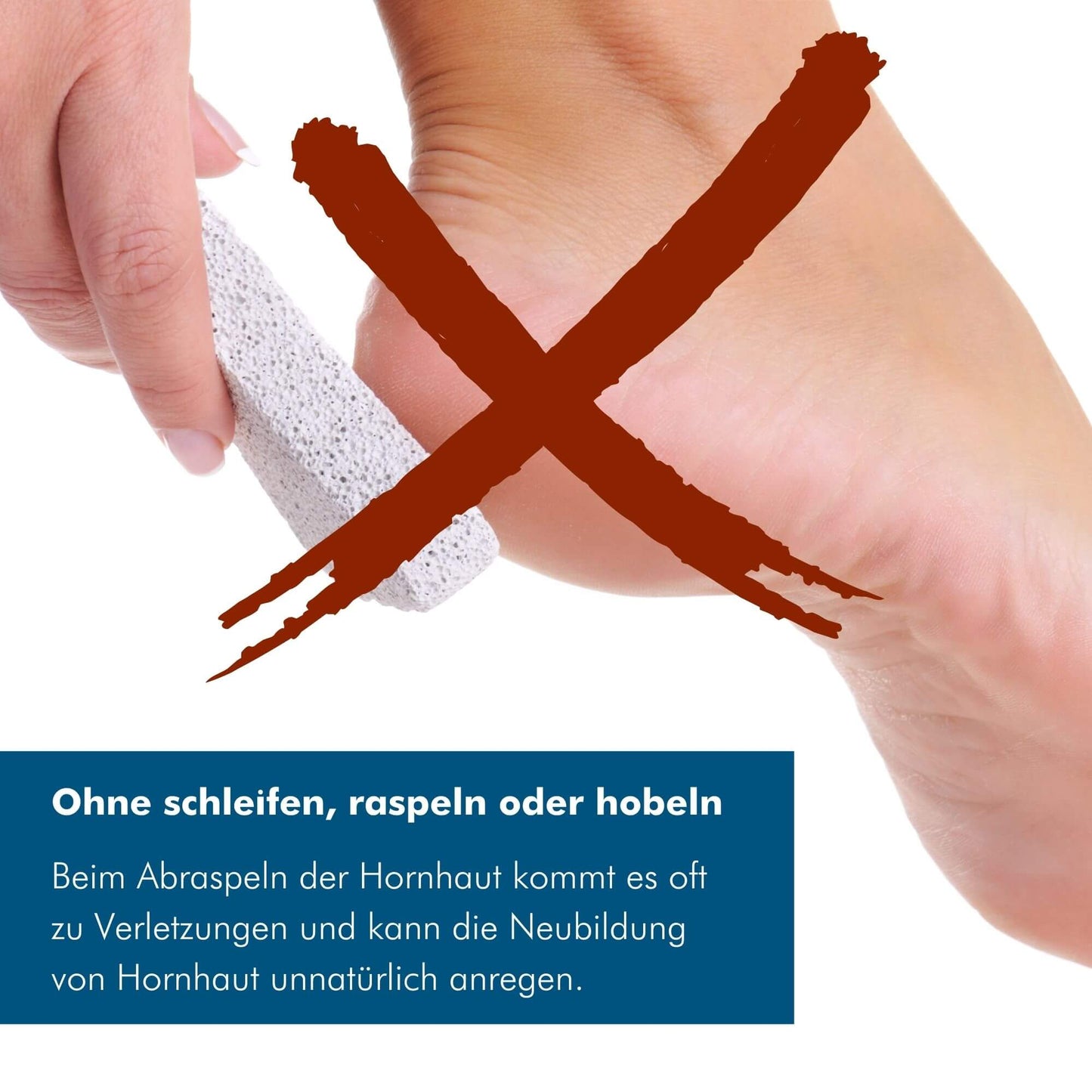
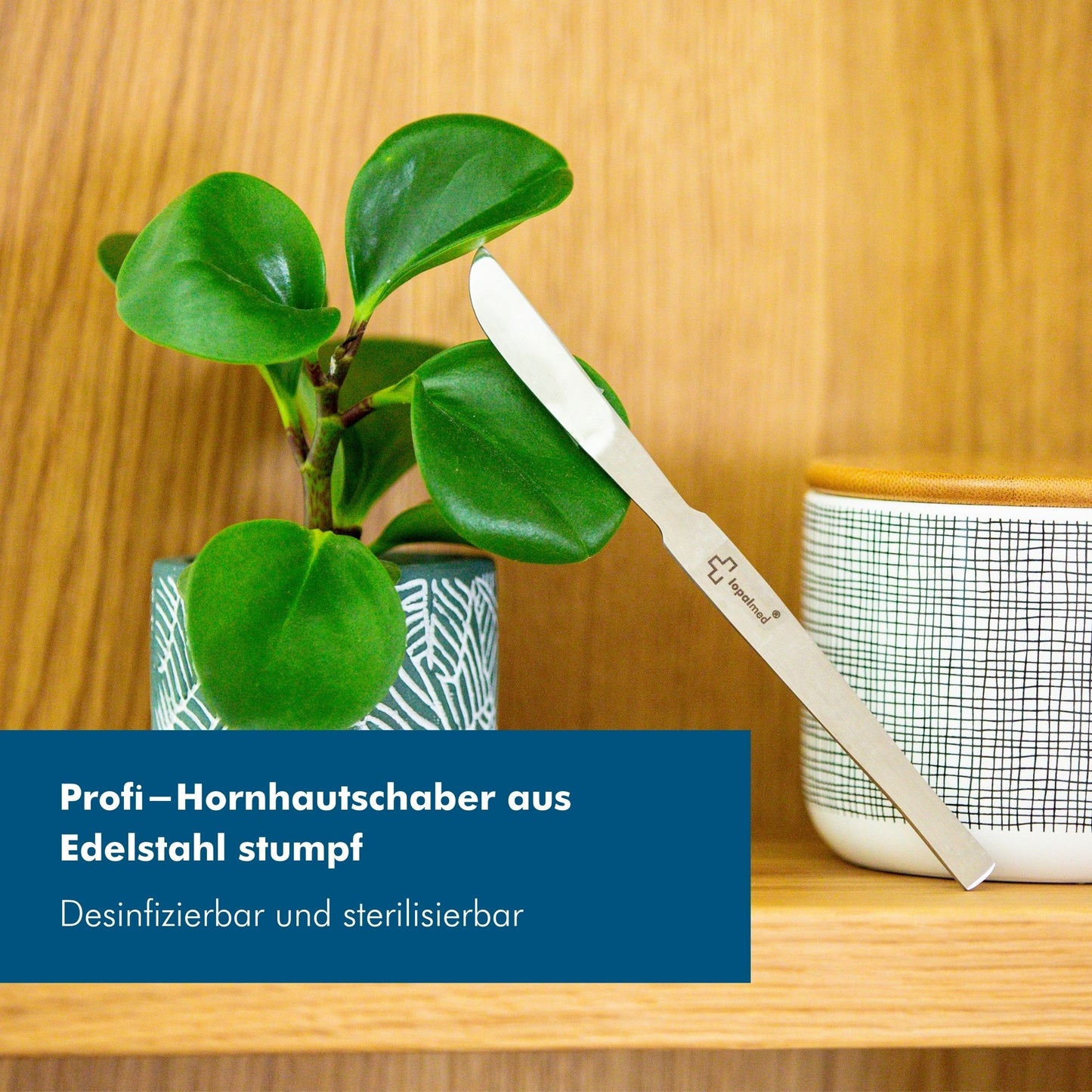
- Callus shaver and rasp: This method is widely used but can be dangerous and harmful. Improper handling can injure the skin and promote the regrowth of callus.
- Chemical peels: Creams or lotions containing salicylic acid or urea are another option. These substances soften the callus, making it easier to remove.
- Professional foot care: A visit to a podiatrist or foot care specialist offers a safe and efficient method for callus removal. This is especially advisable when dealing with very thick or problematic callus.
Recommended method: Lopalmed products
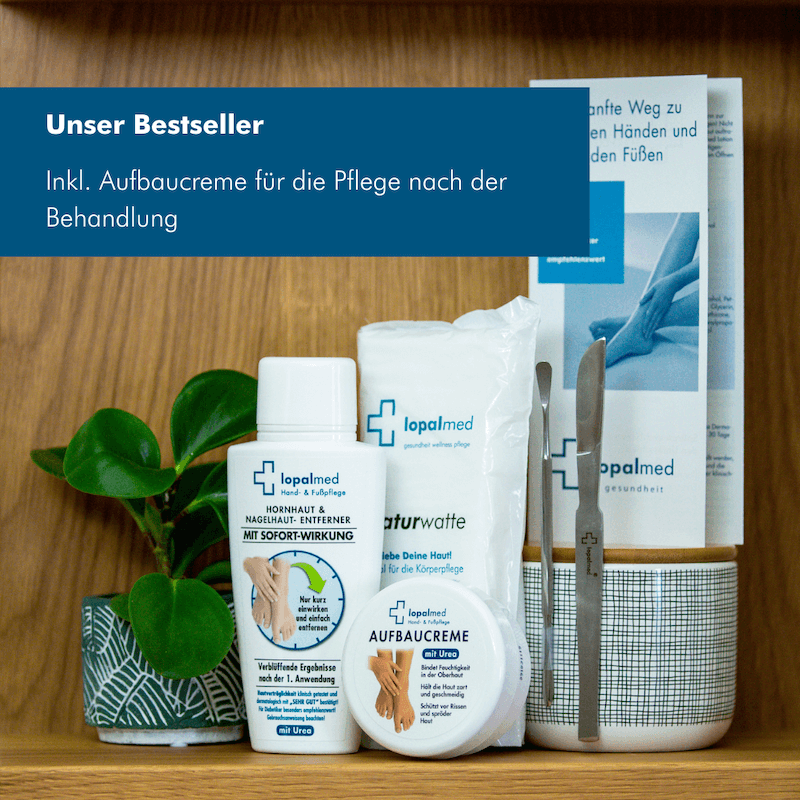
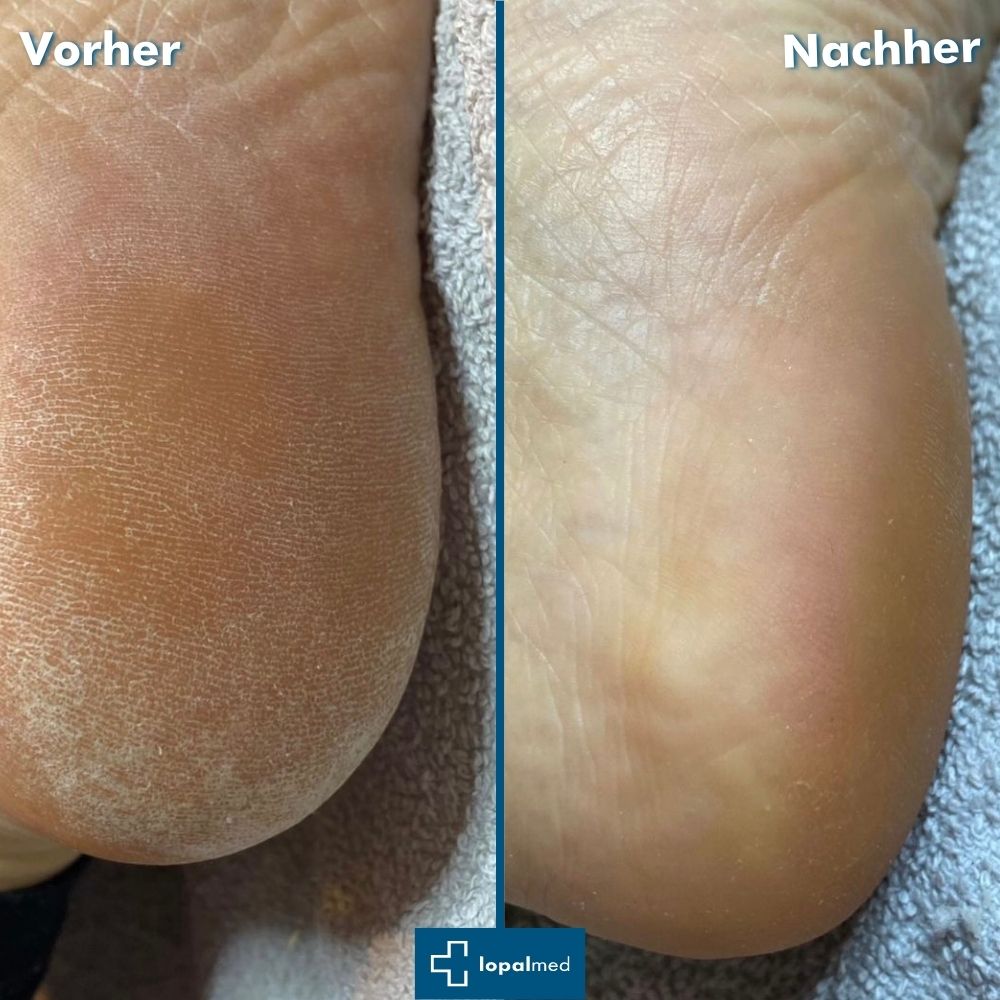
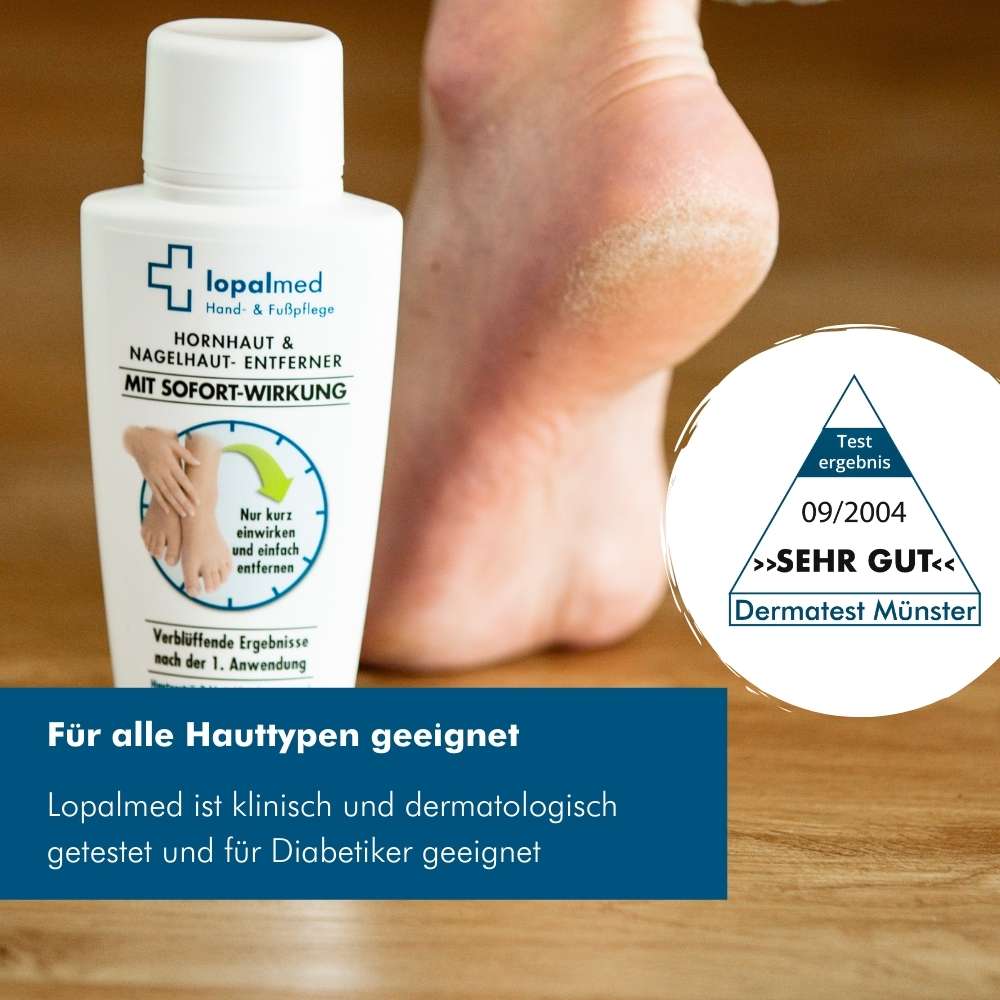
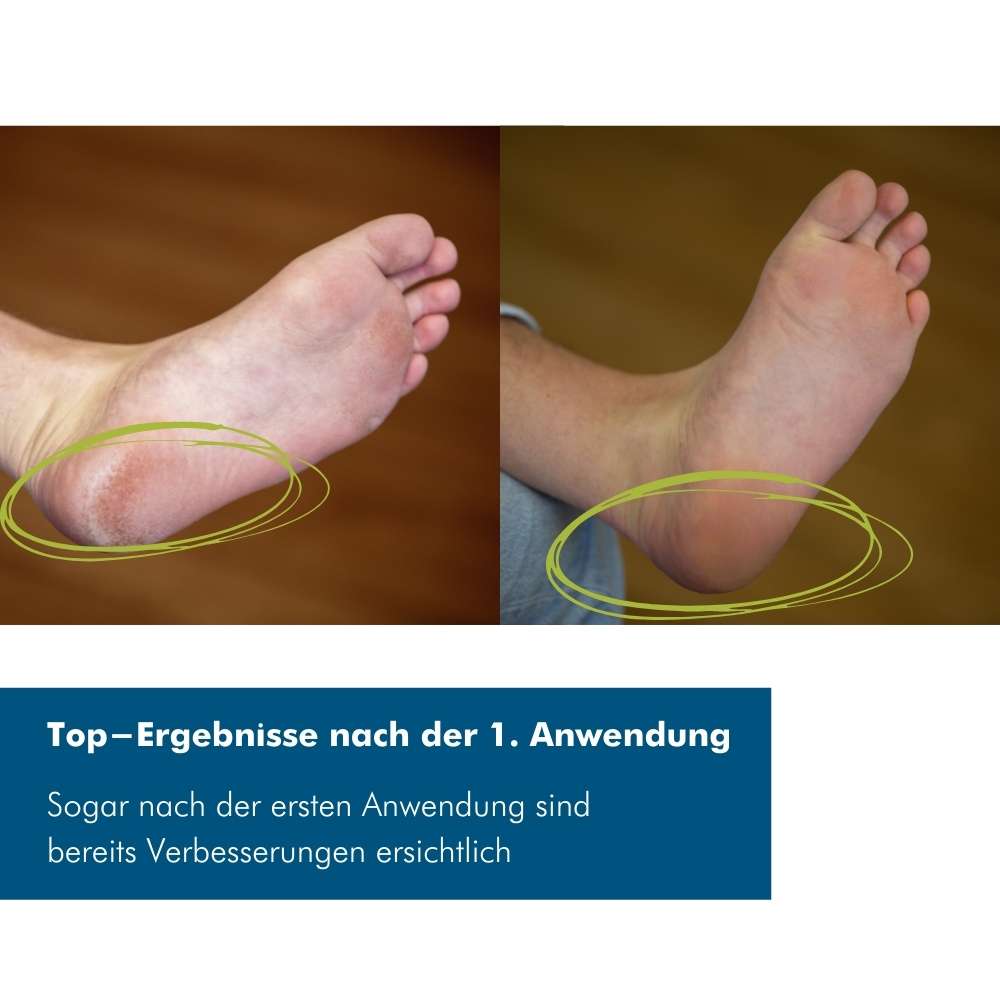
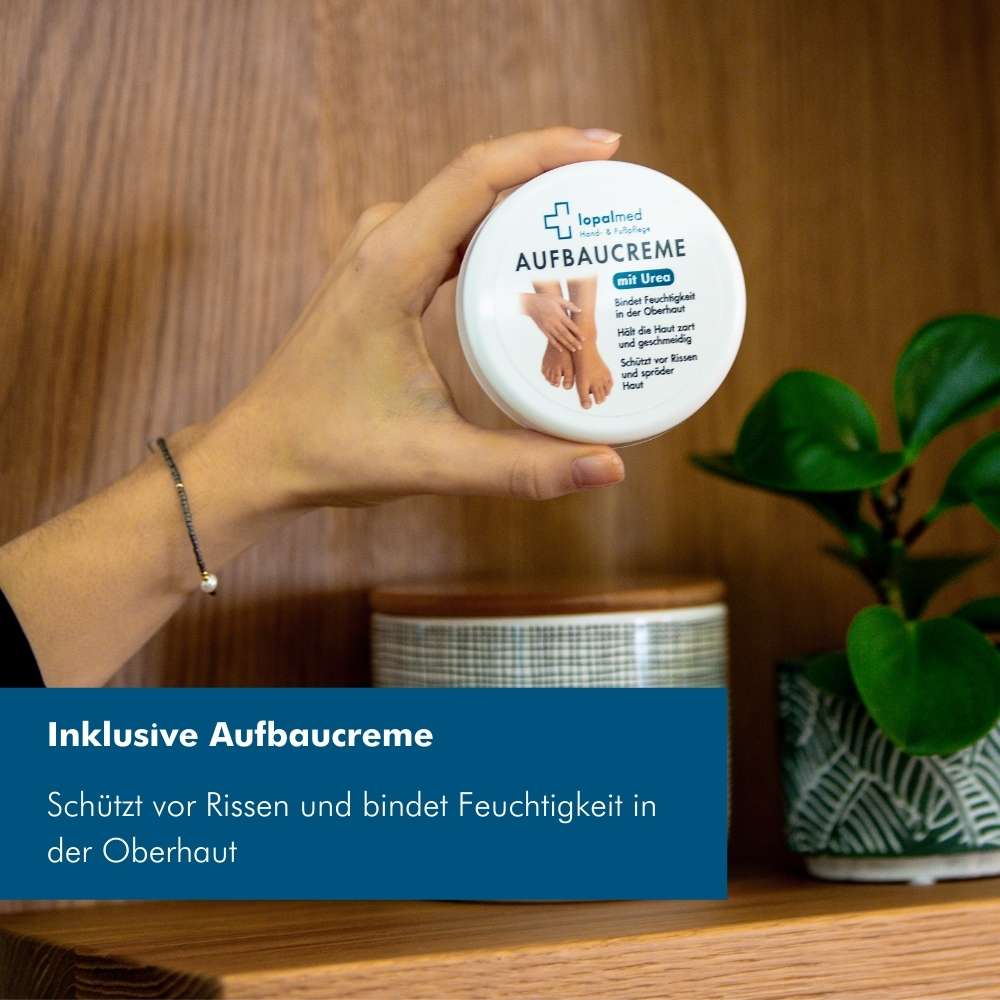
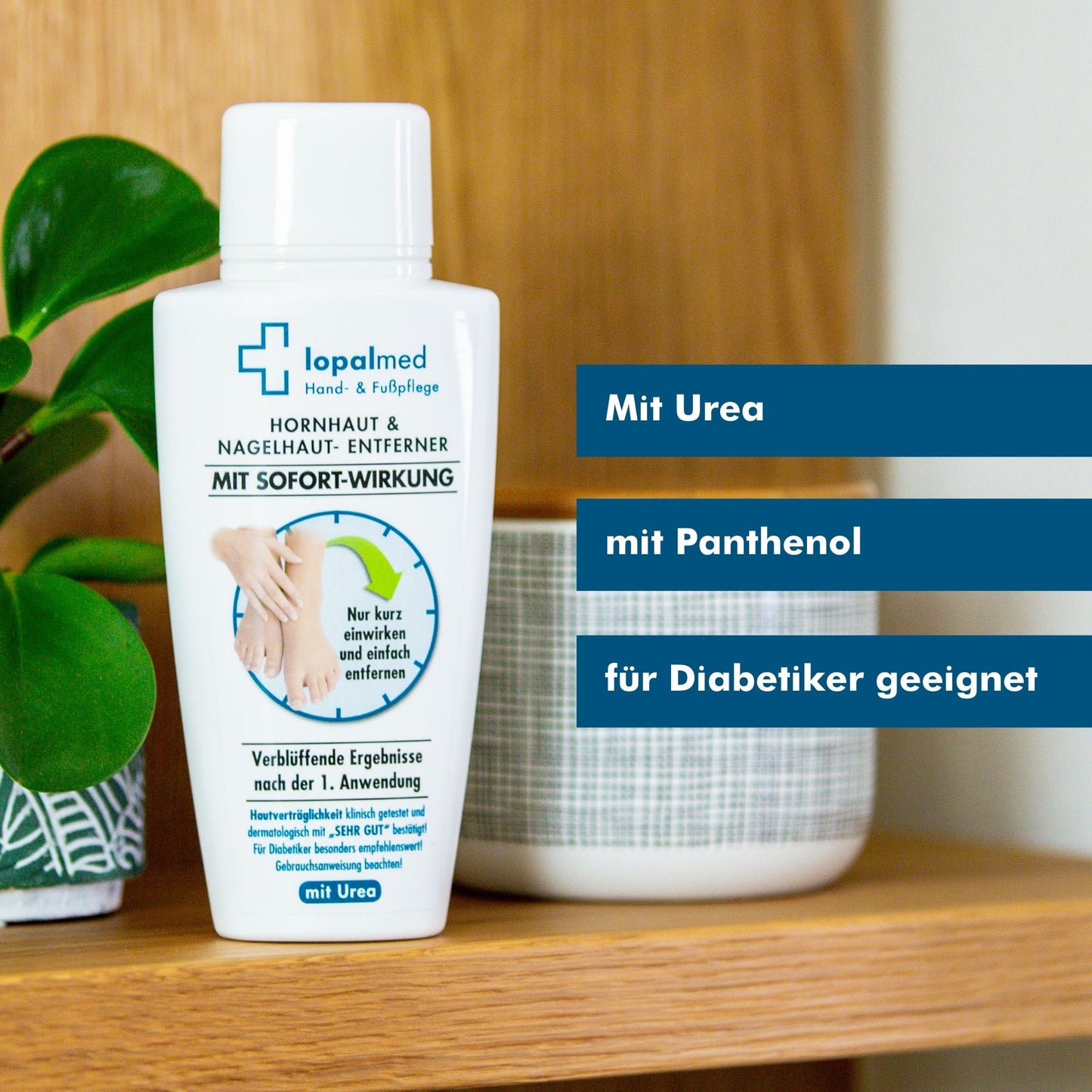
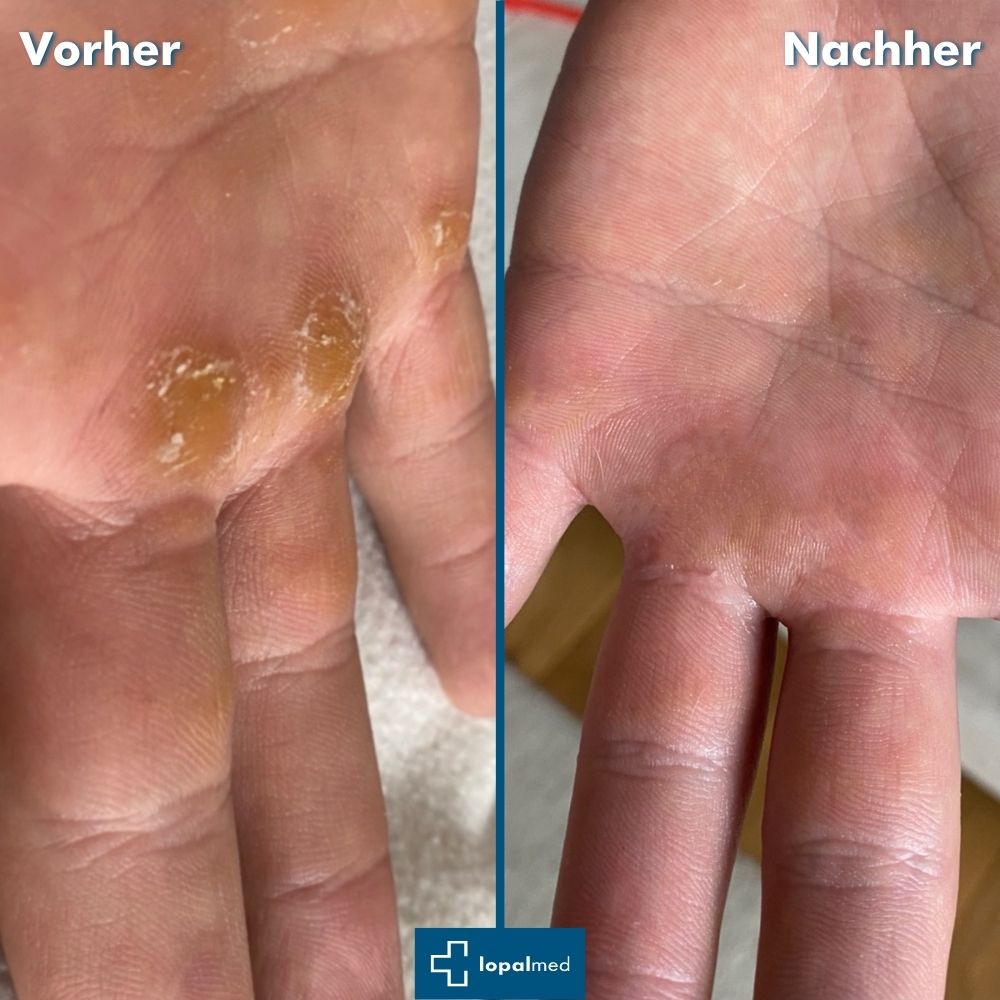
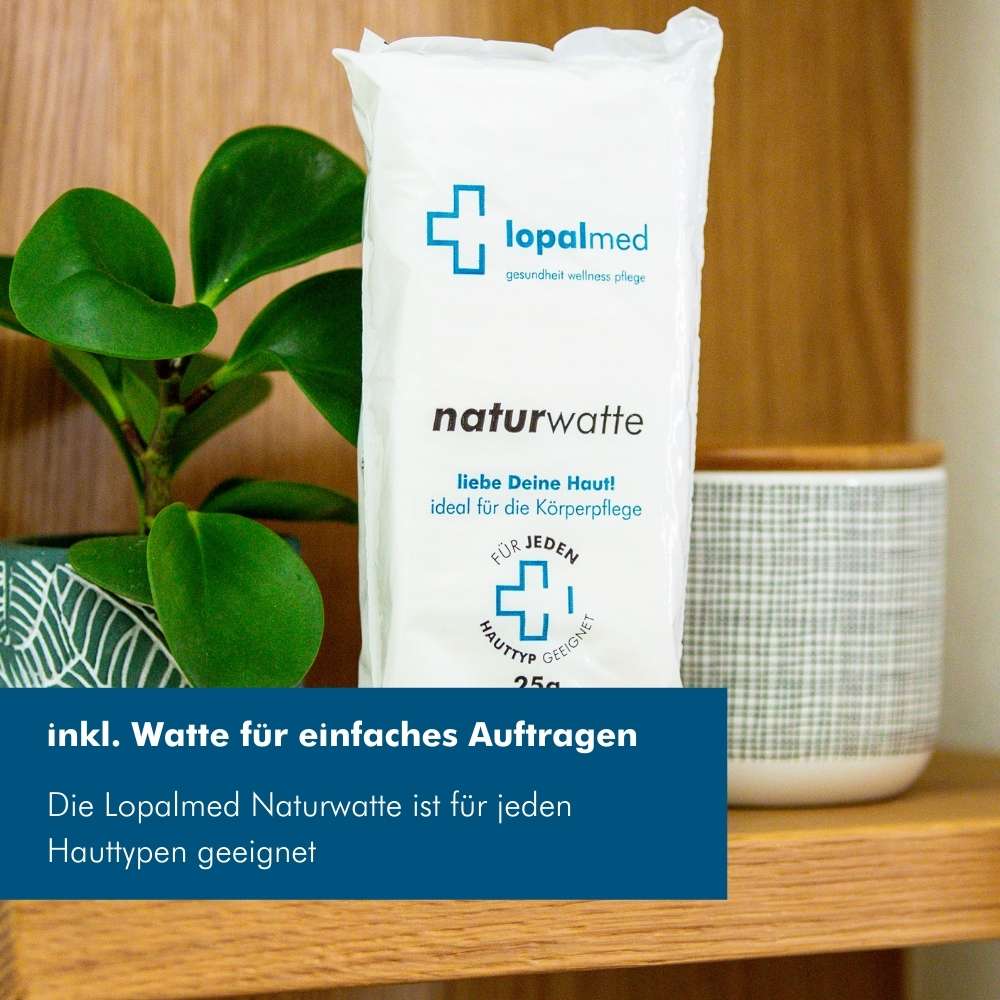
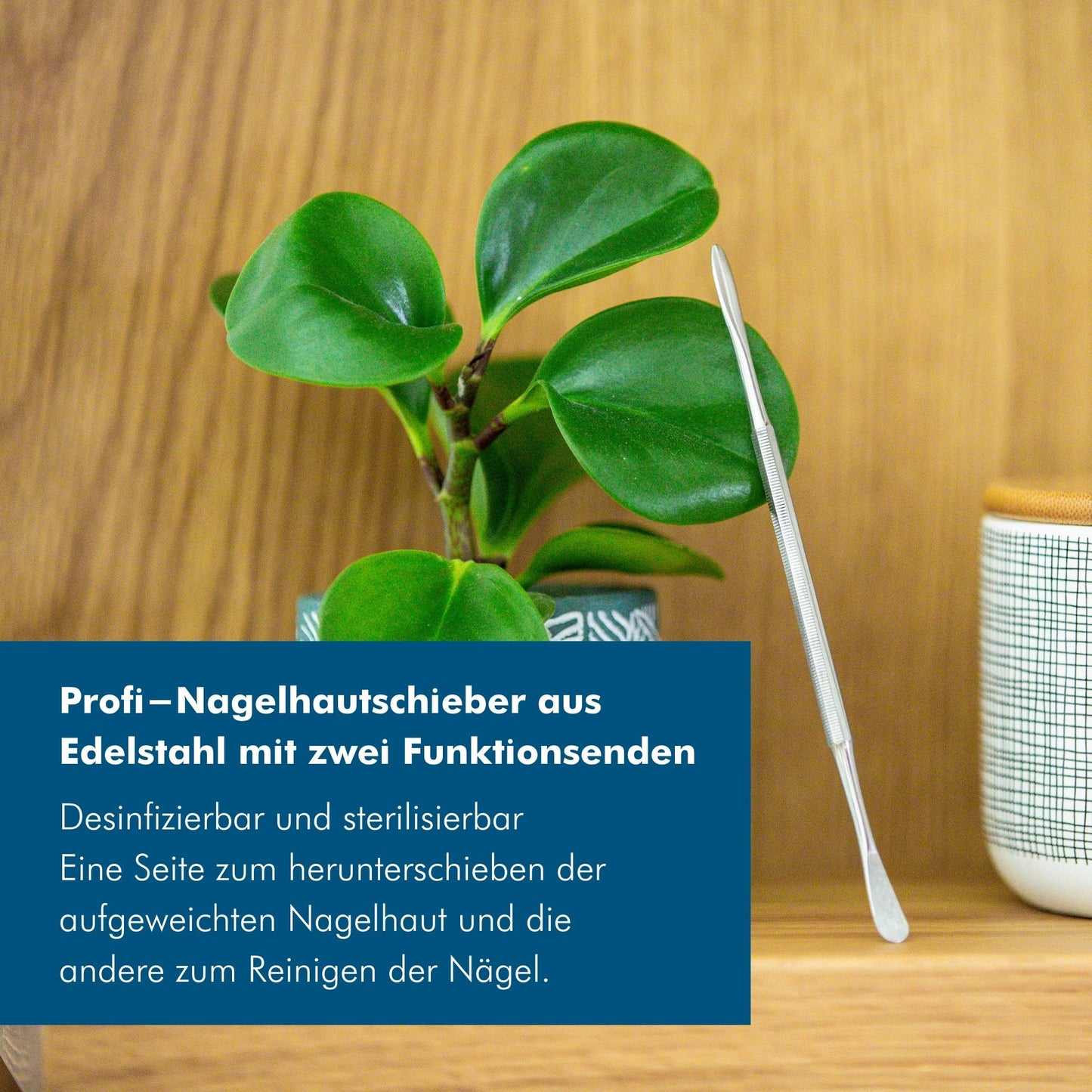
A particularly gentle and effective method for callus removal is offered by Lopalmed products. The Lopalmed hand and foot care box presents a simple yet effective solution for removing callus. By soaking the affected areas and then effortlessly scraping off the callus, the skin is preserved while promoting the regrowth of healthy skin. You can find more about it here: Lopalmed hand and foot care box.

Prevention is better than cure
Instead of regularly removing callus, preventive measures are often the better choice. Here are some tips:
- Proper footwear: Invest in well-fitting and comfortable shoes to avoid pressure points.
- Moisture: Regularly moisturizing the skin keeps it supple and prevents callus formation.
- Protective gloves: When engaging in manual tasks or physical activities, protective gloves are a good preventive measure.

Conclusion
Callus can look unsightly and cause discomfort. When exactly you should remove callus depends on individual factors. Pain, aesthetic reasons, or the risk of infections can be decisive. Various methods are available: from the classic pumice stone to chemical peels to professional foot care. Especially recommended are the Lopalmed products, as they provide a gentle and effective solution. Be sure to choose the method that best suits your skin type and needs. Preventive measures such as proper footwear and adequate moisture care are also advisable to minimize callus formation.
We hope this post has provided you with helpful insights and tips on the topic of callus removal. Stay healthy and take care of your skin!



3 comments
Bin sehr zufrieden mit dem Produkt. Benutze es aber nicht so oft. Nehme damit die Lösung an die richtige Stelle kommt eine Pipette zum Beträufeln
Bin mit dem Produkt nicht zufrieden.
wer Probleme mit den Füßen hat sollte zur Fußpflege gehen.
Ich habe sogar LÖCHER in der Haut bekommen!! Würde gern die komplette Lieferung an Sie zurücksenden.
Bitte Retourenlabel schicken!